Veterinary Oncology



Why Us
Why Us
State of the Art Facility
SWVO provides unrivaled access to diagnostic and medical services in Southern Arizona: in-house laboratory, digital radiography, CT scans, ultrasound, radiation therapy and I-131 radioactive iodine treatment. Take a look at our recent hospital expansion!
Experienced Technicians
We are proud of our technician team. With over 75 years combined experience, our technicians are the most skilled in administering chemotherapy and radiation therapy in Southern Arizona.
Learn More…
Advancing Veterinary Oncology
Our doctors are dedicated to bettering the life of animals with cancer for years to come. SWVO frequently participates in research studies to find advanced treatment options to treat and manage cancer.
Compassion and Support
After a diagnosis of cancer, the caretaker role can be overwhelming. Our doctors and technicians join your team in caring for your pet. We prioritize preserving quality of life and the strong family bond.
Board Certified Doctors
Our doctors have completed 3-4 years additional training in veterinary oncology and have passed rigorous board examinations by the American College of Veterinary Internal Medicine.
Low-stress Environment
Reducing patient stress is one of our top priorities. In the back of the hospital, you might see one of our team members snuggling your pet or giving extra love to an anxious patient.
Not Alone
You Are Not Alone

The diagnosis of cancer is a frightening time for the family. In many cases, there are options to help provide extended, quality time. We provide options for customized plans that combine multiple treatments including the latest chemotherapy protocols, radiation therapy, immune system support, and other appropriate treatments. The goal is to add quality time to your pet’s life.
Testimonials
Testimonials
 Sandy
Sandy
My rescue dog, Coco was diagnosed with a TVT cancer. The staff at Southwest was incredible. Dr. Wood and all the techs treated Coco like a princess. I am so blessed.
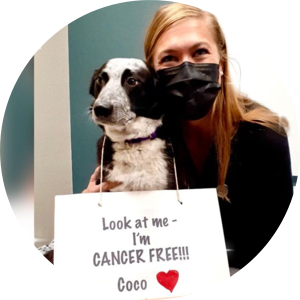 Coco
Coco
I can’t thank Dr. Klein, Dr. Wood, Nick, Kyle and all the staff enough for taking such good care of River and making our difficult time easier. Thank you for answering my hundreds of questions and for all that you do.
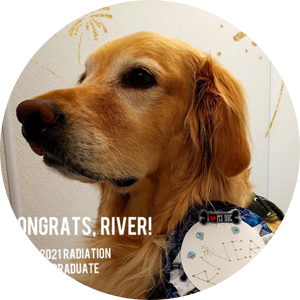 River
River
Bran was in very good hands here. Everybody was so nice and loving towards him. I’m so happy that he’s okay and healthy and I couldn’t have done it without Southwest Veterinary Oncology on Ft. Lowell.
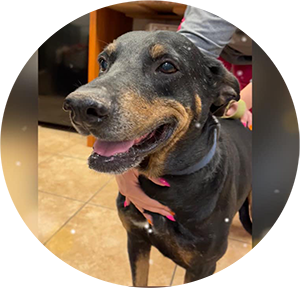 Bran
Bran
Affiliations
Affiliations